The Conversion Window Your Attribution Setup Uses Determines Which Sales Your Campaign Gets Credit For
Attribution conversion windows are a configuration choice, not a neutral setting, and the window length you select shapes which sales appear to be campaign-driven.
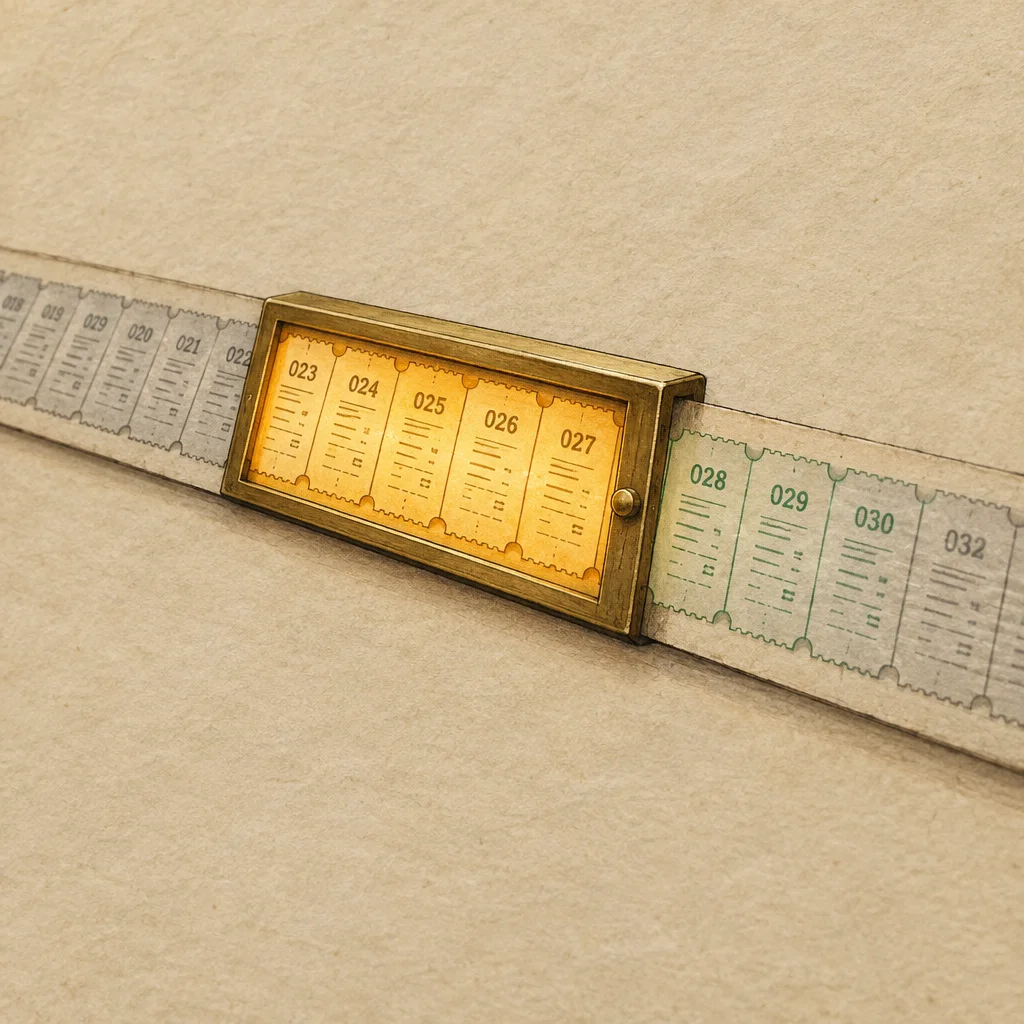
When a media buyer looks at campaign results and sees strong return on ad spend, that number did not emerge from neutral observation. It emerged, in part, from a decision made early in campaign setup: how long after an ad exposure should a conversion still count as connected to that ad? That decision is the conversion window, and it is one of the most consequential configuration choices in digital measurement.
Most platforms offer window options ranging from one day to thirty days or longer for click-based attribution, and from one day to several days for view-through attribution. The default varies by platform. What rarely gets discussed in media planning conversations is that changing that window does not just shift numbers around the edges. It can change which campaign appears to have worked and which appears to have failed.
Why the Window Length Is a Substantive Choice
Imagine a hypothetical: a B2B software buyer sees a display ad on a Tuesday, continues their evaluation over the following two weeks, and completes a trial signup on a Friday fifteen days later. Under a seven-day click window, that conversion is not attributed to the campaign. Under a thirty-day window, it is. The campaign did not change. The customer journey did not change. Only the measurement boundary changed.
For categories with longer purchase cycles, shorter windows systematically undercount the contribution of upper-funnel and mid-funnel activity. Conversely, very long windows can absorb conversions that would have happened regardless of ad exposure, inflating apparent performance for always-on campaigns running against audiences who were already in market.
Neither of these outcomes is the result of anyone manipulating data. They are predictable consequences of a configuration choice that is often made quickly, sometimes by default, and rarely revisited as the campaign runs.
How Platforms Handle Default Windows
Different buying platforms and measurement tools ship with different defaults, and those defaults tend to reflect the inventory each platform has an interest in appearing valuable. Search platforms have historically used longer click windows that benefit channels with direct response intent. Social platforms have used view-through windows that credit impressions even when the user took no click action. Display and programmatic measurement has varied widely.
The practical result is that when a media buyer compares performance across channels using each channel's native reporting, they are often comparing results produced by different window configurations, not by the same measurement standard applied equally. A seven-day click window on one channel versus a thirty-day window on another means the two channels are playing by different rules while appearing to be on the same scoreboard.
This is not a reason to distrust any particular platform. It is a reason to establish a house conversion window policy before a campaign launches and to apply it consistently when pulling results for cross-channel comparison.
Aligning the Window to the Actual Purchase Cycle
A reasonable starting point for choosing a conversion window is the typical time between a customer's first observed touchpoint and their conversion action, based on your own historical CRM or analytics data. If your median path from first click to form fill is four days, a seven-day window likely captures most genuine campaign-influenced conversions without pulling in too much organic behavior. If your median path is eighteen days, a seven-day window is probably undercounting.
For teams that do not yet have clean path-to-conversion data, a practical suggestion is to run the same campaign report under two different window lengths, such as seven days and twenty-eight days, and examine the delta. A large gap between the two results suggests that many attributed conversions fall in the longer tail and may reflect lower purchase intent. A small gap suggests that most conversions happen quickly after exposure, which is more consistent with genuine campaign influence for direct response goals.
This is a diagnostic exercise, not a definitive answer. It gives buyers a clearer view of where the reported numbers are coming from.
View-Through Windows Deserve Separate Scrutiny
Click-based windows at least require an observable action by the user. View-through attribution assigns credit when a user converts within the window after an impression was served, with no intervening click. This is a legitimate measurement concept for awareness-stage display and video, where the goal is influence rather than immediate response. But view-through windows require more careful calibration than click windows.
A common issue is that view-through windows are left at platform defaults and applied to all inventory equally, including retargeting audiences who were already close to converting. In that situation, the view-through window credits the retargeting impression for a conversion that was nearly certain to happen regardless. The result looks like strong display performance when it may simply be measurement overlap with a purchase decision already in progress.
Suggesting a view-through window of one day for retargeting segments, while allowing a longer window for prospecting campaigns, is a reasonable approach to reduce that overlap without eliminating view-through measurement entirely.
What to Document Before the Campaign Launches
Because conversion windows are set at campaign configuration and often persist without review, it is worth building a short documentation habit. Before activation, record the click window length, the view-through window length if applicable, whether the window is being set at the platform level or via a third-party measurement tag, and what conversion events are included in the denominator.
That documentation serves two purposes. First, it creates an apples-to-apples foundation when comparing this campaign to a future one. Second, it makes the measurement assumptions visible to anyone reviewing results later, rather than treating reported numbers as if they arrived from a neutral system with no configuration choices baked in.
The Practical Frame
Conversion windows are not a technical footnote. They are a variable in the performance equation that sits upstream of the numbers a media buyer uses to make budget decisions. A campaign that appears to outperform on one window setting may look materially different under another, and that difference reflects measurement design as much as media quality.
Understanding this does not require changing every workflow. It requires knowing which window your current setup uses, whether that window fits your category's purchase cycle, and whether you are comparing channels under the same rules. Those three questions, asked before results come in rather than after, lead to measurement that is more useful and less likely to carry surprises.